


Introduction
The LPG system is one of the most popular solutions for reducing fuel costs and improving the efficiency of a vehicle without modifying the engine structure.
In recent years this technology has evolved significantly, becoming increasingly efficient, safe and perfectly integrable with modern electronic engine management systems.
Understanding how an LPG system works is the first step in evaluating whether this solution is right for your driving needs.
What is an LPG system?
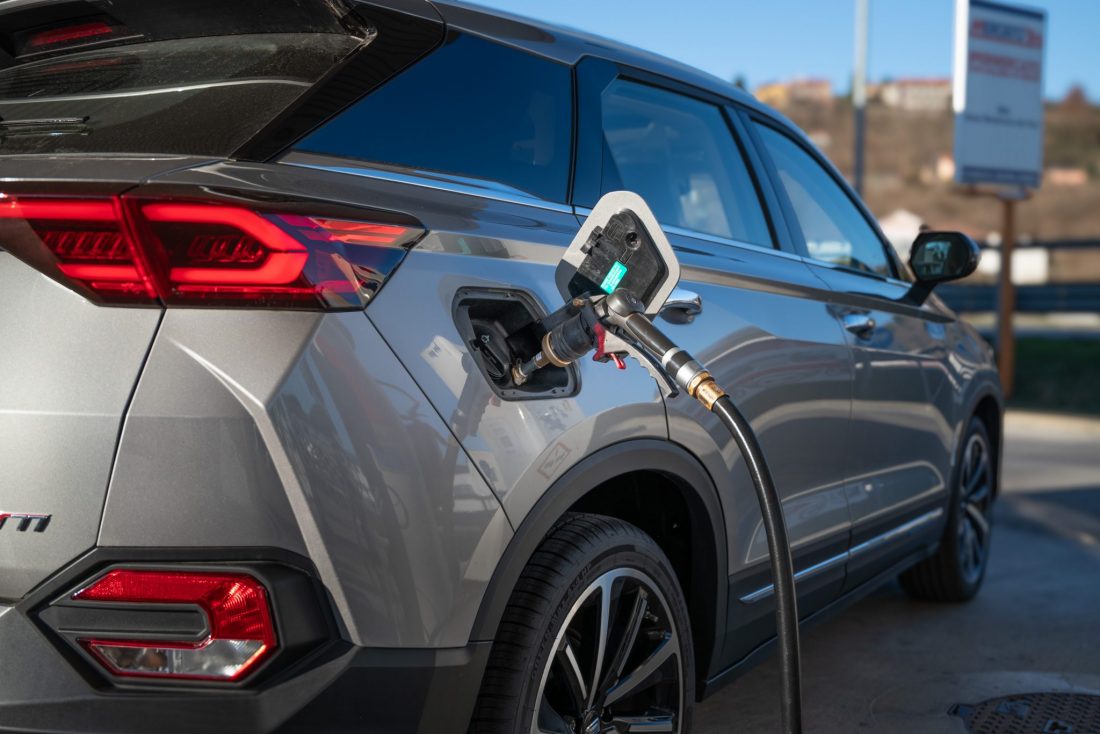
An LPG (Liquefied Petroleum Gas) system is a system that allows a petrol-powered vehicle to also run on gaseous fuel.
This is a bi-fuel system, in which the engine can use both petrol and LPG, with automatic switching between the two fuels.
The goal is not to replace the original engine, but to complement it with an alternative technology that reduces fuel consumption and emissions.
How an LPG system works
The operation of an LPG system is based on the interaction between mechanical and electronic components that work continuously while driving.
The LPG is stored in a tank installed on the vehicle and from there sent to the pressure reducer, which has the task of transforming it into the optimal conditions for use in the engine.
At this point, the electronic control unit processes the data coming from the engine in real time and manages the fuel injection through the injectors, which precisely dose the necessary quantity.
The entire process occurs automatically and without intervention from the driver, ensuring a smooth transition between petrol and LPG.
Components of a LPG system
A modern LPG system is made up of a series of elements that work synergistically to ensure safety and efficiency.
LPG tank
The tank contains the fuel in liquid form and is designed to very stringent safety standards.
Pressure reducer
The reducer stabilizes the gas and makes it usable by the engine, maintaining constant pressure conditions.
Electronic control unit (ECU)
The control unit is the brain of the system and manages the operation of the system in real time.
LPG injectors
The injectors regulate the amount of fuel fed into the engine with extreme precision.
Sensors
Sensors constantly monitor parameters such as pressure and temperature to ensure the system is functioning properly.
Advantages of an LPG system
The main advantage of an LPG system is the reduction in fuel costs compared to petrol.
Added to this is a significant reduction in polluting emissions, making this technology a more sustainable solution.
An additional benefit is the presence of the bi-fuel system, which allows the use of both petrol and LPG, ensuring greater autonomy and flexibility.
Modern technologies have also improved the reliability of the system, making it stable and safe over time.
When is it convenient to install an LPG system?
An LPG system becomes particularly convenient when the vehicle is used frequently and for long distances.
In these cases, the fuel savings allow the installation cost to be amortized in a relatively short period of time.
It is a solution suitable for both daily private use and for professional contexts or company fleets.
LPG or petrol
Petrol remains a simple and immediate solution, but it entails higher running costs over time.
LPG, on the other hand, requires an initial investment but allows for significant savings in the long term.
The choice between the two solutions depends mainly on driving habits and annual mileage.
Safety of LPG systems
Modern LPG systems are designed to very high safety standards.
The systems include electronic control devices, safety valves and certified tanks that ensure reliable operation under all conditions.
When installed and maintained correctly, LPG systems are considered safe and stable over time.
The role of OMVL technology
OMVL develops LPG systems designed to ensure precision, stability, and integration with modern engines.
The technological approach is based on the optimization of the entire system, not of the single component, with the aim of ensuring consistent performance and reliability over time.
FAQ
What is an LPG system?
It is a system that allows a vehicle to run on both petrol and LPG.
Does the car lose power on LPG?
With modern systems the difference is minimal and often imperceptible.
Is the LPG system safe?
Yes, if installed by authorized workshops and properly maintained.
Are all cars compatible?
No, compatibility must be checked on a case-by-case basis.
Conclusion
The LPG system represents a concrete solution for reducing vehicle operating costs and improving overall efficiency.
Modern technology has made these systems reliable, safe, and suitable for a wide range of applications, both private and professional.
The final choice always depends on the type of use and the needs of the motorist.