


Introduction
Converting a car to gas is an increasingly popular solution for reducing fuel costs and improving vehicle efficiency.
Before making this choice, however, it is important to understand how the process works, what the technical requirements are, and what real benefits can be obtained.
In this article, we’ll look at everything you need to know before converting a car to LPG or methane.
What does it mean to convert a car to gas?
Converting a car to gas means installing an additional system that allows the engine to run on both petrol and LPG or methane.
This is a functionally reversible modification, which does not replace the original engine but integrates it with a second fuel system.
The aim is to reduce operating costs and emissions without compromising the day-to-day use of the vehicle.
How the conversion works
The conversion process involves the installation of a system consisting mainly of a tank, pressure reducer, electronic control unit, injectors and other components.
The system works in parallel with the original petrol supply and automatically manages the switch between the two fuels.
Management is via a control unit that adjusts gas injection in real time based on engine conditions.
Which cars can be converted
Not all cars are suitable for gas conversion.
Compatibility depends on the engine type, vehicle electronics and the general condition of the fuel system.
In general, most modern petrol engines are often compatible, but a technical assessment is always necessary before installation.
LPG or methane for conversion
The choice between LPG and methane depends on various factors related to the use of the vehicle.
LPG is generally more widespread and practical, thanks to a more widespread distribution network.
Natural gas offers advantages in terms of fuel costs, but may be less convenient in some geographical areas.
Advantages of converting to gas
Converting to gas offers several advantages, especially in economic and environmental terms.
The main benefit is reduced fuel costs, followed by reduced emissions compared to petrol.
An additional advantage is the ability to use two fuels, increasing the vehicle’s overall range.
What to evaluate before conversion
Before proceeding with the conversion it is important to consider some fundamental aspects.
These include the type of vehicle use, annual mileage, and the availability of specialized workshops for installation and maintenance.
A correct assessment allows you to understand whether the investment is truly convenient in your specific case.
The role of OMVL technology
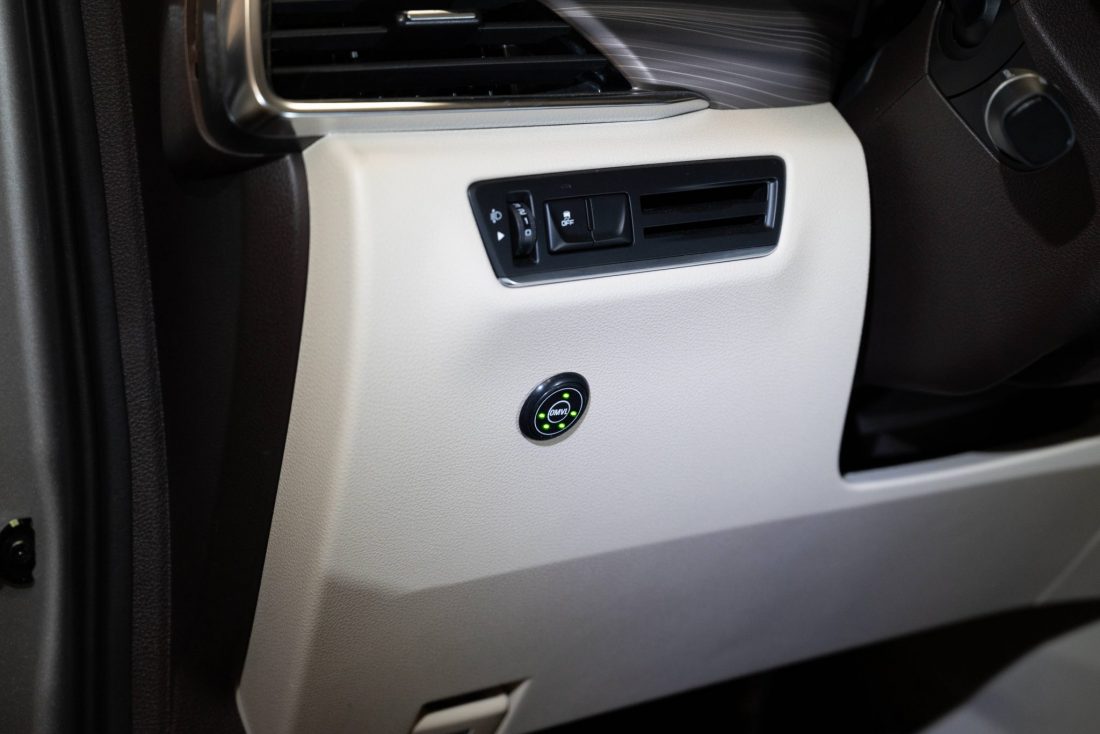
OMVL develops gas conversion systems designed to ensure reliability, precision, and integration with modern engines.
The technology focuses on optimal fuel management and stable performance over time.
FAQ
How long does the gas conversion take?
It depends on the vehicle, but once installed the system lasts for several years with regular maintenance.
Does the car lose power after the conversion?
With modern systems the difference is minimal in everyday driving.
Is it possible to go back to petrol?
Yes, the system is bi-fuel and always allows the use of petrol.
Are all cars convertible?
No, a technical compatibility check is required.
Conclusion
Converting to gas is an effective solution to reduce car ownership costs and improve overall efficiency.
The choice between LPG and methane and the evaluation of the vehicle’s compatibility are steps