


Control units and components: what really makes the difference
Introduction
In LPG and CNG systems, the difference between an efficient system and one that underperforms does not depend solely on the technology as a whole, but on the quality and integration of the individual components.
In particular, the electronic control unit, injectors and pressure regulator are the components that have a tangible impact on the system’s performance, fuel consumption and reliability. In this article, we analyse what really matters in the design of a modern gas system.
The role of the electronic control unit
The electronic control unit is the heart of the LPG system. Its task is to manage, in real time, the amount of fuel to be injected into the engine, by processing data from sensors and vehicle parameters.
An advanced control unit does not merely execute commands, but continuously optimises the system’s operation according to driving conditions. This has a direct impact on fuel consumption, smoothness of power delivery and overall performance.
Why injectors are essential
Injectors act as the interface between the system and the engine. Their precision determines the quality of combustion and the smoothness of the vehicle’s operation. Injectors that are imprecise or not optimised can lead to erratic fuel consumption, a loss of efficiency and reduced driving comfort.
In modern systems, injection precision is one of the key factors in achieving performance on a par with petrol.
The pressure regulator
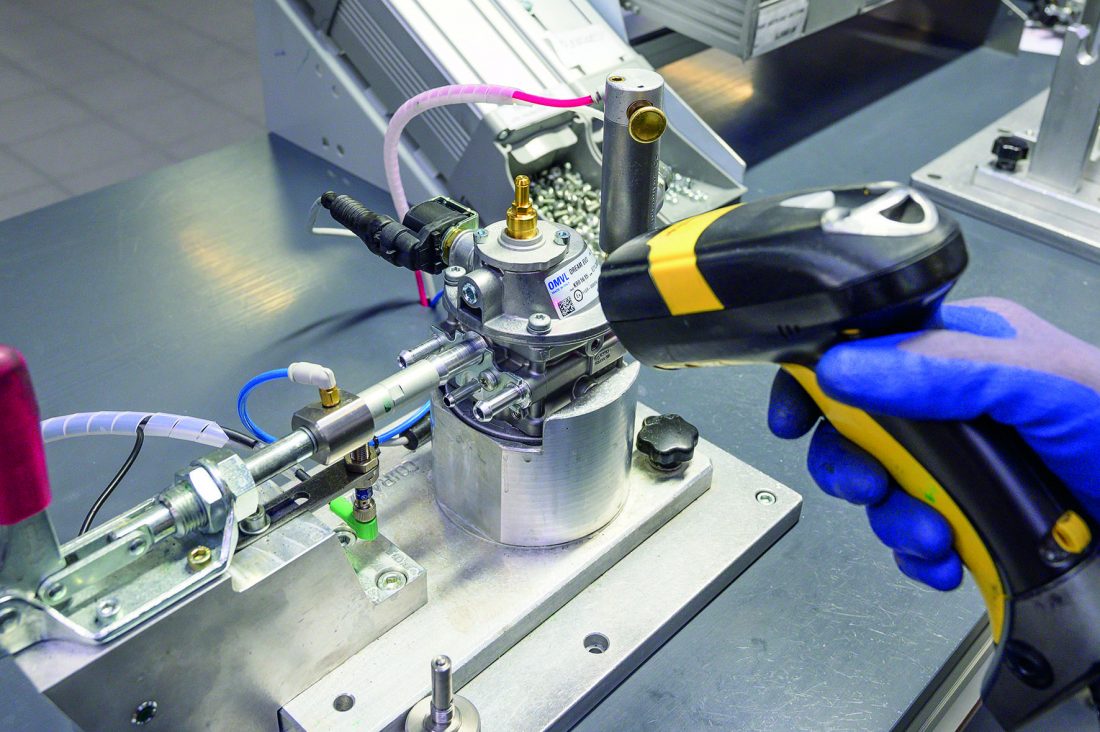
The pressure regulator is responsible for converting LPG from a liquid to a gaseous state and keeping it stable for use in the engine. Its function is crucial as it affects the continuity of the fuel supply and the stability of the system. An efficient regulator ensures a constant supply even under varying operating conditions.
The importance of integration between components
The quality of an LPG system does not depend solely on the individual components, but on the way in which they work together. A well-designed system must ensure continuous communication between the control unit, injectors and sensors. If this integration is optimised, the result is smooth, stable and predictable operation over time.
What really makes the difference
When comparing different LPG systems, the real difference is not always visible from the outside.
The key factors are:
● the precision of the electronic control system
● the quality of the components
● the calibration of the system
● the ability to adapt to the engine
One system may look similar to another, but perform completely differently on the road.
The role of OMVL technology
OMVL develops systems in which the control unit, injectors and components are designed as an integrated system rather than as separate elements. This approach optimises fuel management, improves system stability and ensures consistent performance over time.
FAQ
What has the greatest impact on the performance of an LPG system?
The electronic control unit and the precision of the injectors.
Does a better component improve the whole system?
Yes, but only if it is correctly integrated with the other components.
Why do some systems consume less fuel?
It depends on the calibration and electronic management of the system.
Is technology more important than the components?
What matters most is the integration between technology and components.
Conclusion
The difference between a good LPG system and a mediocre one does not depend on a single component, but on the balance between the control unit, the injectors and the management system. A well-designed system guarantees consistent performance, optimised fuel consumption and greater reliability over time.